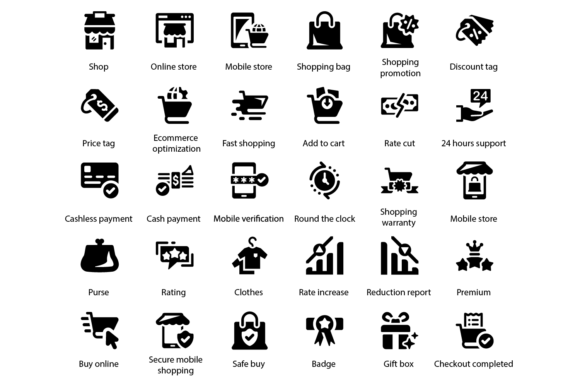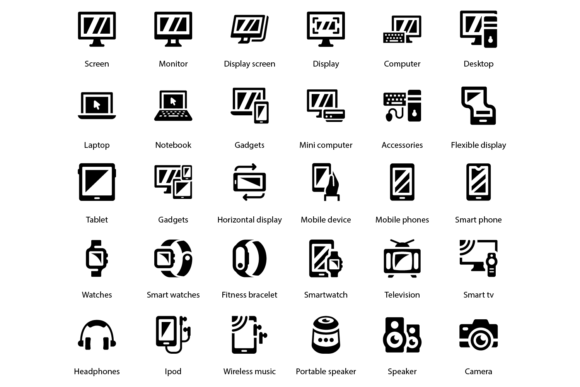
Equipment and Device Icons: A Valuable Resource for Designers and Developers
Understanding Equipment and Device Icons
Equipment and Device Icons is a collection of meticulously designed icons representing a wide range of tools, machines, and technical devices. These icons are crafted to serve both functional and aesthetic purposes across various design and development projects. Each icon is available in multiple formats, including fully editable AI and EPS files, SVG vectors, and transparent PNGs sized at 256×256 pixels, ensuring compatibility and flexibility for different use cases.
Why Designers and Developers Consider Equipment and Device Icons
For professionals involved in web design, UI/UX development, or print media, visual clarity and consistency are essential. Equipment and Device Icons offers a ready-made solution that saves time and effort in sourcing or creating icons from scratch. Whether designing a technical dashboard, a presentation on industrial tools, or an infographic about medical devices, having access to high-quality, scalable icons can significantly enhance the visual communication of complex ideas.
This icon set appeals to those who need to visually represent equipment across different industries—such as manufacturing, healthcare, IT, or engineering—without compromising on design quality or adaptability.
Key Benefits of Using Equipment and Device Icons
- High-Quality Design: Each icon is created with attention to detail, ensuring clarity and professionalism across platforms and screen sizes.
- Multiformat Availability: With AI, EPS, SVG, and PNG options, users can choose the format that best suits their project requirements.
- Customizability: Being fully editable, these icons allow for color adjustments, style changes, and integration into brand-specific design systems.
- Transparent Backgrounds: The PNG files come with transparent backgrounds, making them easy to layer over different design elements without additional editing.
- Versatile Application: Suitable for websites, mobile apps, presentations, promotional materials, infographics, and more.
Considerations and Potential Tradeoffs
While Equipment and Device Icons provides a strong foundation for many design needs, users should consider a few key factors before adoption:
- Specificity of Icons: Depending on the niche of your project, you may find that some specialized devices or tools aren't included in the set. In such cases, custom icon creation or supplementation with other icon libraries may be necessary.
- Licensing and Usage Rights: It's important to verify the licensing terms to ensure the icons can be used in both commercial and personal projects without restrictions.
- Design Consistency Across Sets: If you're already using icons from other sources, integrating this set may require additional work to maintain visual harmony across your design system.
When Equipment and Device Icons Is a Strong Fit
This icon set works particularly well in the following scenarios:
- Technical and Industry-Specific Content: When designing materials for engineering, healthcare, or manufacturing sectors, having precise and recognizable device icons is crucial for user understanding.
- Time-Sensitive Projects: For designers under tight deadlines, having a ready-to-use, high-quality icon set can streamline the design process without sacrificing visual appeal.
- Consistent Visual Branding: Teams looking to maintain a unified visual language across multiple platforms can benefit from the editable and scalable nature of these icons.
- Presentations and Infographics: The clarity and professional look of the icons make them ideal for visual aids where information needs to be conveyed quickly and clearly.
When Alternatives May Be Worth Exploring
While Equipment and Device Icons offers a robust solution, there are situations where alternative icon resources may be more appropriate:
- Highly Customized Needs: If your project requires highly stylized or abstract icons that don't align with the aesthetic of this set, a custom design approach or a different icon library might be better suited.
- Broader Symbol Coverage: For projects that span multiple domains beyond equipment and devices—such as software interfaces, maps, or lifestyle themes—a more general-purpose icon library may offer better coverage.
- Cost Considerations: If budget is a constraint and open-source or free icon sets provide sufficient quality and variety, those may be worth exploring before investing in premium icon collections.
Practical Insights for Decision-Makers
Choosing the right icon set involves evaluating both immediate needs and long-term design strategy. Here are some practical insights to guide your decision:
- Review the Icon Library: Before committing, examine the range of icons available to ensure they align with your current and anticipated future needs.
- Test Across Formats: Download sample icons in SVG and PNG formats to test how they render on different devices and in various contexts.
- Assess Customization Options: If your brand uses a specific color palette or design language, ensure the icons can be easily adapted to match those standards.
- Compare Licensing Terms: Understand the permitted usage and any restrictions to avoid legal or compliance issues, especially in commercial applications.
- Think About Scalability: SVG files are ideal for responsive design, so make sure vector formats are available and editable for long-term flexibility.
Does Equipment and Device Icons Align With Your Needs?
Ultimately, the decision to use Equipment and Device Icons depends on your specific project requirements, design goals, and workflow preferences. If you're working on industry-specific designs that require clear, professional visuals and appreciate the convenience of editable, high-resolution icons, this set is likely to be a strong fit.
However, if your project demands highly specialized visuals, broad thematic coverage, or budget-friendly solutions, it may be worth exploring complementary or alternative resources. As with any design tool, the value of Equipment and Device Icons lies in how well it supports your objectives—both in terms of visual communication and overall project efficiency.