Restaurant Icons: Strategic Design Assets for Visual Communication
Visual consistency and clarity play a critical role in how brands communicate with their audiences. For businesses in the food service industry, Restaurant Icons offer a powerful way to convey messages quickly and effectively. These meticulously designed icons serve as essential tools for website development, printed materials, presentations, promotional content, and more. Whether you're a small business owner launching a new menu or a designer crafting a brand identity, the thoughtful use of Restaurant Icons can significantly enhance your visual storytelling and operational efficiency.
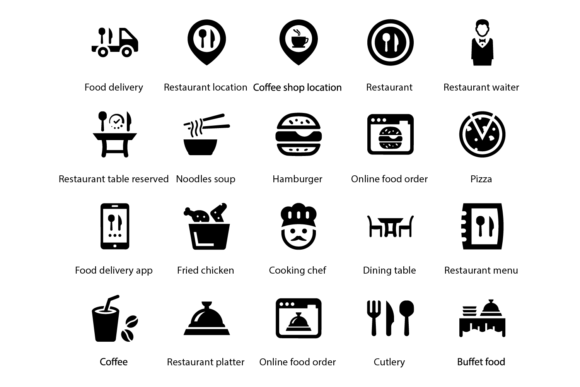
Each icon in the Restaurant Icons collection is available in multiple formats—fully editable AI and EPS files, transparent PNGs (256×256 pixels), and scalable SVGs. This flexibility ensures that designers and developers can integrate these assets seamlessly into a wide variety of digital and print projects without compromising quality or clarity.
Why Restaurant Icons Matter in Modern Design
Icons are more than decorative elements—they are visual shorthand that improves comprehension and user experience. In the restaurant industry, where menus, wayfinding, and branding must be intuitive, Restaurant Icons help bridge language barriers and streamline communication. A well-placed fork and knife icon can instantly signal dining options, while a coffee cup symbol can guide customers to beverage services.
From a strategic standpoint, using a cohesive set of icons like Restaurant Icons supports brand consistency. Consistent visual elements reinforce brand recognition and trust, especially when used across multiple platforms such as websites, mobile apps, packaging, and signage.
Planning for Effective Use of Restaurant Icons
Before integrating Restaurant Icons into your design projects, it's important to align their use with your broader goals. Ask yourself: What message are you trying to convey? Who is your target audience? How do these icons support your brand identity or user experience?
- Define your purpose: Are you designing a mobile app menu, a printed brochure, or a presentation for investors? Each use case may require a different approach to icon placement and selection.
- Consider context: The same icon may carry different meanings depending on where it's used. For example, a wine glass icon may indicate a bar menu in one context and a wedding catering service in another.
- Match your tone: If your brand is playful, choose icons that reflect that personality. If it's more refined, opt for cleaner, minimalist designs.
By planning ahead, you ensure that your use of Restaurant Icons is not just visually appealing, but also strategically aligned with your business objectives.
Supporting Creativity and Productivity with Restaurant Icons
Designers and developers often face time constraints when working on client projects or internal initiatives. The Restaurant Icons package offers a ready-to-use solution that reduces the need for custom icon creation from scratch. This can significantly boost productivity, especially when working under tight deadlines.
Moreover, the editable AI and EPS formats allow for customization, enabling creative professionals to tailor each icon to their specific needs. Whether you're adjusting colors to match your brand palette or modifying shapes for better integration with your layout, these icons provide a strong foundation for further design exploration.
For entrepreneurs and small business owners, this means faster turnaround times and reduced costs when building marketing materials or updating visual assets. For agencies and freelancers, it translates to more efficient project delivery and higher client satisfaction.
When and How to Use Restaurant Icons Strategically
While Restaurant Icons are versatile, their effectiveness depends on how they are applied. Here are a few scenarios where these icons can make a meaningful impact:
- Menu Design: Use icons to categorize dishes, highlight dietary options (e.g., vegetarian, gluten-free), or indicate popular items. This enhances readability and helps customers make quicker decisions.
- Website Navigation: Incorporate icons into buttons or menu items to guide users intuitively through your site. For example, a chef hat icon can lead to a "Catering Services" page.
- Promotional Materials: Whether it's a social media post or a printed flyer, icons can draw attention to key offers such as happy hour specials or seasonal menus.
- Infographics and Presentations: Visual data is more digestible when supported by relevant icons. Use them to illustrate restaurant performance metrics, customer preferences, or industry trends.
Each of these applications benefits from a thoughtful approach. Icons should support the content, not distract from it. Always test how they appear in different sizes and contexts to ensure clarity and accessibility.
Long-Term Value and Branding Considerations
Using Restaurant Icons consistently over time can contribute to a strong visual identity. As your brand evolves, maintaining a unified icon style across all touchpoints reinforces recognition and professionalism. This is especially important in competitive markets where first impressions matter.
However, it's also important to periodically review your visual assets. Trends change, and what looked modern two years ago might now appear outdated. By using editable formats included in the Restaurant Icons set, you can refresh your icon style without starting from scratch.
Consider conducting a visual audit annually to ensure your icons still align with your brand's tone, audience, and messaging. This proactive approach helps maintain relevance and prevents visual fatigue.
Understanding the Risks of Improper Use
Icons, when used without strategy, can become cluttered or confusing. One of the risks of using Restaurant Icons without clear goals is visual overload—too many icons competing for attention can dilute your message rather than enhance it.
Another common pitfall is inconsistency. If you mix icons from different sources with varying styles, your design may appear disjointed. This is where the curated nature of the Restaurant Icons package becomes valuable—it ensures a unified visual language across all icons.
Additionally, using icons without considering accessibility can alienate parts of your audience. Always pair icons with text when necessary, and ensure sufficient contrast for visibility, especially in printed materials or digital interfaces.
Making Intentional Design Decisions
The best use of Restaurant Icons comes from intentionality. Rather than selecting icons based solely on availability or aesthetics, consider how each one contributes to your overall message and user experience.
Ask the following questions when choosing icons:
- Does this icon clearly represent the intended concept?
- Will it be recognizable to my target audience?
- Does it fit with the visual tone of the rest of the design?
- Is it scalable across different platforms and sizes?
By approaching your icon selection with these considerations in mind, you ensure that every design element serves a purpose and supports your broader objectives.
Conclusion: Building Better Visual Strategies with Restaurant Icons
In today's visually driven marketplace, the ability to communicate clearly and effectively is essential. Restaurant Icons provide a valuable resource for designers, marketers, and business owners looking to enhance their visual communication. With their high-quality formats, scalability, and adaptability, these icons are more than just design elements—they are strategic tools that support branding, user experience, and operational efficiency.
When used thoughtfully, Restaurant Icons can elevate your design projects, streamline your workflow, and strengthen your brand presence. By aligning their use with your goals and audience needs, you can ensure that your visual strategy not only looks good but also delivers real results over time.