Ecommerce Icons: Enhancing Design with Versatile Visual Elements
Understanding the Role of Ecommerce Icons
Ecommerce Icons are more than just decorative elements; they serve as essential tools in modern design projects. Whether you're developing a website, creating a presentation, or designing promotional materials, these icons provide clarity, visual appeal, and intuitive navigation. Meticulously crafted to align with the demands of digital commerce, Ecommerce Icons streamline communication and enhance user experience across a wide range of platforms.
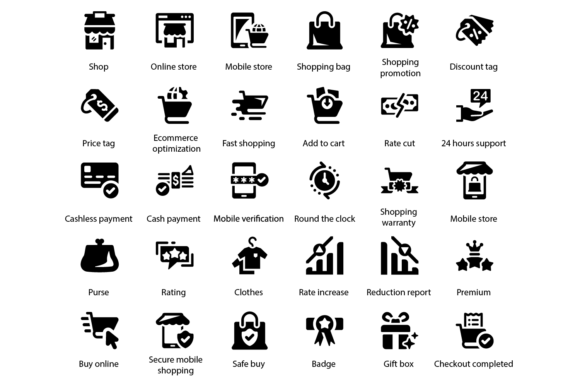
Each icon is designed with purpose, ensuring it conveys meaning at a glance. From shopping carts and payment symbols to delivery trucks and customer support indicators, these visual cues help users quickly understand functions and features without relying solely on text. This makes them especially valuable in environments where space is limited or where a multilingual audience is expected.
Key Features of Ecommerce Icons
- Fully Editable AI and EPS Files: These vector formats allow for seamless customization, enabling designers to scale icons without compromising quality.
- Transparent PNG (256×256 pixels): Ideal for web and print use, these high-resolution images maintain clarity and can be layered over various backgrounds without visible borders.
- SVG Format for Each Icon: Scalable Vector Graphics ensure icons remain sharp on any screen size, making them perfect for responsive web design.
With these formats included, Ecommerce Icons offer flexibility for both digital and physical design applications. Whether you're working in Adobe Illustrator, Sketch, or directly in HTML/CSS, the adaptability of these icons ensures a smooth integration into your workflow.
Where Ecommerce Icons Shine
These icons are not limited to just online stores—they're valuable across a broad spectrum of design needs. Here are some of the most common applications:
- Website Design: Improve navigation, highlight key features, and enhance visual storytelling on landing pages and product listings.
- Presentations: Use them in slides to illustrate points related to online sales, digital marketing, or customer engagement.
- Promotional Materials: Incorporate icons into banners, flyers, and email newsletters to draw attention to special offers or services.
- Infographics: Help visualize data related to e-commerce trends, user behavior, or market growth.
- Printed Materials: From brochures to packaging, these icons add a professional touch and improve readability.
Because of their clean, modern design and universal recognition, Ecommerce Icons are ideal for both B2B and B2C contexts. Whether you're launching a new product or redesigning a mobile app, these icons help create a consistent visual language that users can easily follow.
Who Benefits from Using Ecommerce Icons?
Designers, developers, marketers, and business owners all stand to gain from incorporating Ecommerce Icons into their work. Here’s how different professionals can make the most of them:
- Graphic Designers: Save time with ready-to-use visuals that can be customized to match brand guidelines.
- Web Developers: Speed up front-end development with scalable icons that reduce the need for image optimization.
- Marketing Teams: Create visually compelling campaigns that resonate with audiences and drive engagement.
- Business Owners: Improve the professionalism and usability of your online presence without investing in custom icon design.
Even non-designers can benefit from Ecommerce Icons. For example, small business owners using platforms like Shopify or WordPress can easily integrate these icons into their websites to enhance navigation and improve user satisfaction.
Strengths and Considerations
One of the biggest strengths of Ecommerce Icons is their versatility. The availability of multiple file formats ensures compatibility with a wide range of tools and platforms. Additionally, their transparent backgrounds and scalable nature make them suitable for both high-resolution print and responsive web design.
However, there are a few considerations to keep in mind when using these icons:
- Consistency: Ensure icons maintain a cohesive style across your project to avoid a disjointed appearance.
- Accessibility: Pair icons with text or alt descriptions to ensure they are accessible to all users, including those using screen readers.
- Licensing: Always verify that the icons are cleared for commercial use and properly attributed if required.
While Ecommerce Icons offer a wide variety of commonly used symbols, it's important to evaluate whether the set includes all the icons you need for your specific project. If not, consider supplementing with additional icon libraries or commissioning custom designs.
Real-World Applications of Ecommerce Icons
Let’s explore a few real-world examples of how Ecommerce Icons can be applied effectively:
- E-commerce Checkout Page: Use icons to indicate secure payment, fast shipping, and return policies, helping customers feel confident during the purchase process.
- Mobile App Interface: Streamline navigation by using recognizable icons for menus, cart, and search functions, reducing the need for lengthy labels.
- Product Comparison Chart: Enhance readability by using icons to represent features like warranty, availability, and customer ratings.
- Marketing Email: Highlight key benefits like free shipping or easy returns with eye-catching icons that draw attention to offers.
These examples demonstrate how Ecommerce Icons can be used to improve clarity, reduce cognitive load, and guide users toward desired actions—making them a powerful asset in any digital strategy.
Evaluating Suitability for Your Project
Before deciding to use Ecommerce Icons, ask yourself the following questions:
- What is the primary goal of my design? Are you aiming to inform, guide, or engage users? Choose icons that align with that purpose.
- What platforms or mediums will be used? If you're designing for both web and print, ensure the icon formats support both environments.
- Do the icons match my brand’s aesthetic? While customization is possible, starting with a set that closely aligns with your visual identity saves time.
- How frequently will icons be updated? If your project requires frequent changes or additions, a flexible and expandable icon library is essential.
By answering these questions, you can determine whether Ecommerce Icons are a good fit for your specific needs and how best to integrate them into your design system.
Final Thoughts
In today’s fast-paced digital world, visual communication is more important than ever. Ecommerce Icons provide a simple yet effective way to convey information, enhance usability, and elevate the overall design of your projects. Whether you're building a website, crafting a presentation, or designing promotional content, these meticulously designed icons offer the flexibility, clarity, and professionalism needed to make a lasting impression.
By leveraging the power of Ecommerce Icons, you not only streamline your design process but also create a more intuitive and engaging experience for your audience—no matter where or how they interact with your content.